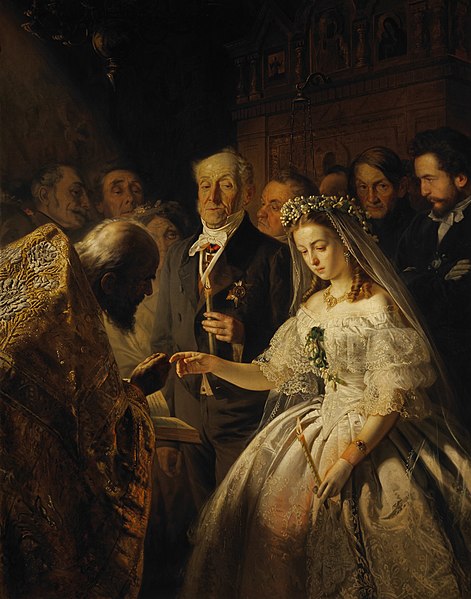
The Price of Being Chosen
Every creator remembers their first brand deal. Not because it was the biggest. Usually, it isn't. But because it was the first time someone outside of their audience looked at what they built and said: "We want to be part of this." After months, or years, of creating without knowing if anyone was paying attention, that feeling is difficult to describe. Someone noticed. Someone believed there was value in what they were doing.
Then the email arrives. A brand wants to work with them. The excitement comes before the details even make sense. The language feels unfamiliar. Usage rights. Exclusivity. Deliverables. Terms they've seen before but never fully understood. But they find the part that matters: Two Instagram videos. Repurposed to TikTok. $500 upon completion. And suddenly, the rest feels less important. Because this isn't just a brand deal. It's proof that this thing they've been building is building value.
A contract arrives. They scroll through it quickly because they're excited to start. They want to do well. They want the brand to come back. And that's where many creators make their first mistake. Not because they don't care. Because they care too much. They negotiate from gratitude instead of value.
A few years later, everything looks different. The creator has crossed 100K followers. They've signed with an agency. Their average deal is between 20-30k a month and eventually, they leave their 9-to-5.
Something that started as a side project becomes a career. This is the creator trajectory everyone talks about. But because it happens slowly, it rarely feels like a business being built. It feels like things just started happening. A few followers here. A viral video there. A brand email. Another brand email. Until one day they look around and realize: Something changed. And the thing that changed wasn't just their follower count. It was their leverage. More importantly, it was their understanding of what they were actually selling.
The thing creators are taught to ignore
The creator economy has a strange relationship with value. Everyone talks about influence. But influence is often measured through the easiest number available: Followers. The number sitting at the top of a profile. The number brands can see before they ever understand what someone actually creates. But follower count only tells one part of the story. It tells a brand how many people pressed follow. It doesn't tell them how many people trust that creator. How many people save their content. How many people share it. How many people actually take action because of a recommendation. A creator with 30,000 followers and a highly engaged audience can be more valuable than a creator with 300,000 followers and an audience that rarely interacts. This is why engagement quality matters.
According to industry benchmarks, smaller creators often see stronger engagement rates than larger accounts because their communities tend to be more concentrated and responsive. Nano creators (1K–10K followers) and micro creators (10K–50K followers) typically outperform larger accounts on engagement rates, though benchmarks vary by platform and industry. The number on a profile can show reach. It cannot fully measure influence. Because influence is not just about how many people are watching. It's about how many people are listening.
The post is not the product
This is the part many creators learn too late. A brand is not only paying for a video. They're paying for everything behind it. The years spent building trust. The audience that chose to stay. The relationship between a creator and the people who follow them. The credibility that cannot be purchased overnight. The content is simply where all of that becomes visible. That doesn't mean every brand deal needs to be expensive. It means creators need to understand what is actually being exchanged. Because a brand reaching out isn't charity. It's a business decision. They are looking for access to something creators spent years building: Attention. Trust. Community. A point of view. And that has value. The first brand deal teaches creators a dangerous lesson. It can make them believe that being chosen means being valued. But those two things are not the same. The creator's job is not just to get the yes. It's to understand what that yes is worth.